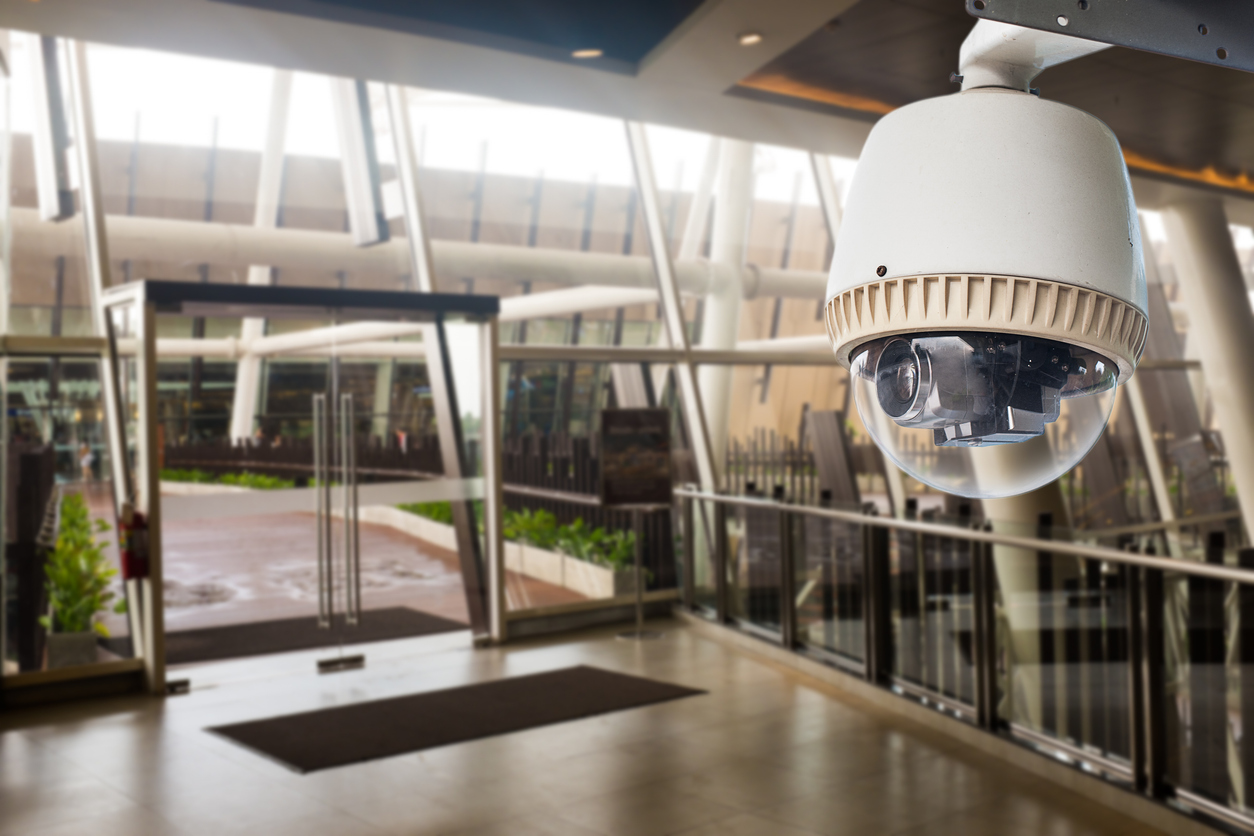
Security cameras often get attention for the incidents they may discourage, but some of their strongest value appears after something happens. A clear recording can help investigators establish a timeline, compare descriptions, identify vehicles or clothing, and determine where to look next. Some of the best-known crimes caught on camera also show an important limit: footage rarely works alone. It becomes more useful when investigators can combine it with witness accounts, physical evidence, and other records.
For businesses, the lesson is practical. Camera quality, placement, video storage, and access can affect how useful a recording is when an incident occurs on or near a property. The cases ahead show how surveillance footage has supported investigations and what businesses can learn about making recorded video more useful when it matters.
When Camera Footage Becomes an Investigative Lead
The 2013 Boston Marathon bombing is one of the best-known examples of how security cameras can help solve crimes as part of a larger investigation. Investigators worked through photos and surveillance footage gathered after the bombing as part of more than 33 terabytes of digital information collected during the case. Three days after the attack, the FBI released images and surveillance video of two suspects, helping narrow attention to specific people captured in the available footage.
The case shows the investigative value of security camera footage when investigators have a large amount of information to review. Recorded video can help isolate specific people, locations, and moments in time, giving investigators leads they can compare with witness accounts, physical evidence, and other information collected during a case.
A Bay Area Retail Theft Case Shows the Local Value of Video
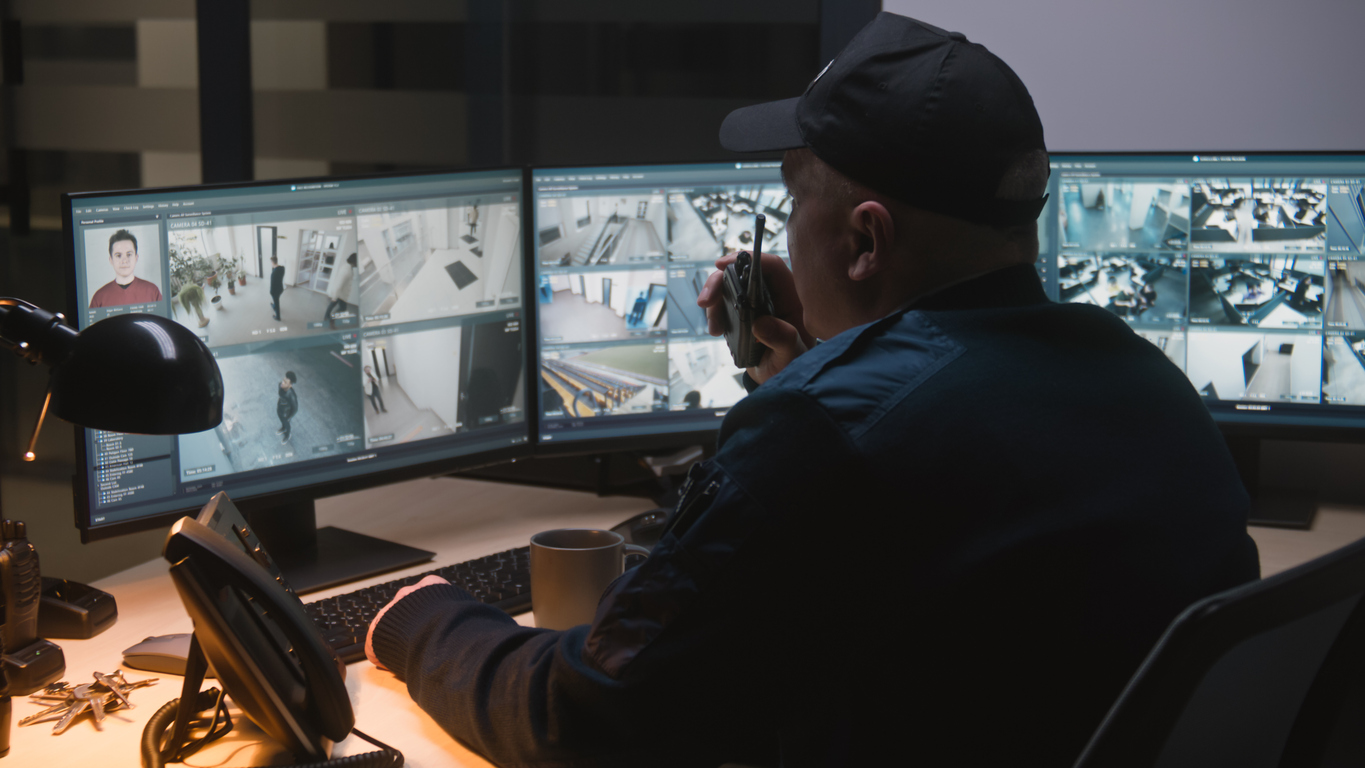
Not every useful recording comes out of a nationally known investigation. In November 2024, San Francisco police officers investigating a retail theft at a Walgreens on Mission Street used store surveillance footage and public safety cameras to help locate a person matching the description of one suspect.
For Bay Area businesses, the case highlights the practical value of being able to find and review the right footage after an incident. Our approach to remote video monitoring can support that process by giving teams a more direct way to locate relevant activity without manually reviewing hours of recordings. Bay Area surveillance case studies like this show how recorded video can provide useful information when an incident requires follow-up.
What Makes Security Video Useful as Evidence?
During an investigation, video footage can provide direct and circumstantial evidence and may also help rule out people who were not involved. In that context, security video as evidence is most useful when a recording is clear enough to preserve details investigators can actually examine.
High-definition surveillance becomes especially relevant when small details matter, but resolution is only part of the picture. Lighting, viewing angle, and field of view also affect what appears in the final recording. That is why choosing the right security camera system means matching camera capabilities to the area being watched and the details a business may need to revisit later, rather than treating every camera position the same.
What Research Says About Security Camera Deterrence
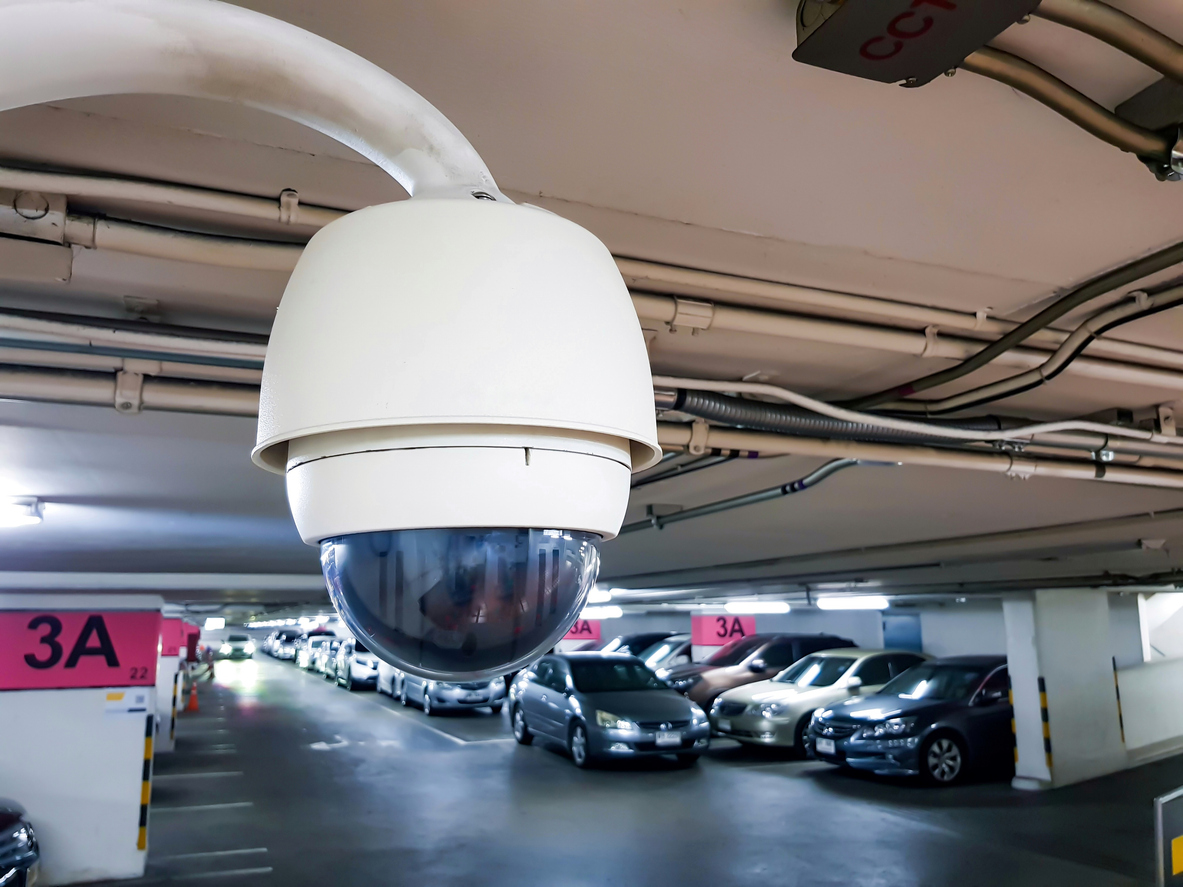
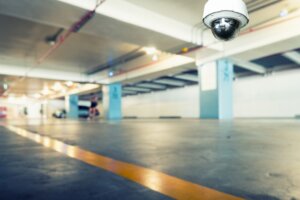
Alt Text: Dome security camera mounted above parked cars in a parking garage. (Source)
Surveillance camera deterrence stats need context because research does not show the same effect in every setting. A 40-year review of CCTV and crime prevention found a significant but modest reduction in crime overall, with the largest and most consistent effects in parking areas. The review also found stronger results when CCTV included active monitoring or was combined with other security measures rather than used on its own.
That distinction matters most in areas where camera coverage is part of a broader security plan. Parking lot security cameras can help businesses monitor vehicle activity and property risks across areas where people regularly enter, exit, and move through the site. Our integrated security systems bring camera coverage, access control, and intrusion detection into the same security strategy, giving businesses more context around activity across the property.
What These Cases Mean for Security Planning
A National Institute of Justice-sponsored evaluation of Milwaukee’s public surveillance system examined improving clearance rates with security cameras and found limited evidence that CCTV improved clearances for crimes in camera-covered areas. The finding puts commercial security camera success stories in perspective: useful footage can support an investigation, but cameras alone cannot guarantee that every incident will be resolved.
That makes thoughtful security planning more important than expecting surveillance to determine an outcome on its own. Our commercial security systems are designed around each property’s needs, with camera coverage and other security options selected according to the site and its operational priorities.
Plan Your Surveillance Strategy With Creative Security
Knowing what surveillance footage can and cannot do is only part of planning an effective camera system. The next step is matching the technology to the property, its daily activity, and the areas that need closer attention. Smarter security technology can bring cameras together with other security measures to create a strategy shaped around the property’s actual needs.
At Creative Security, we help Bay Area businesses evaluate their surveillance needs and identify camera and system options that make sense for their properties. If you are reviewing an existing setup or planning a new system, contact us online to discuss your security goals with our team.